
AI in Advertising: Creative Partner or Creative Threat?
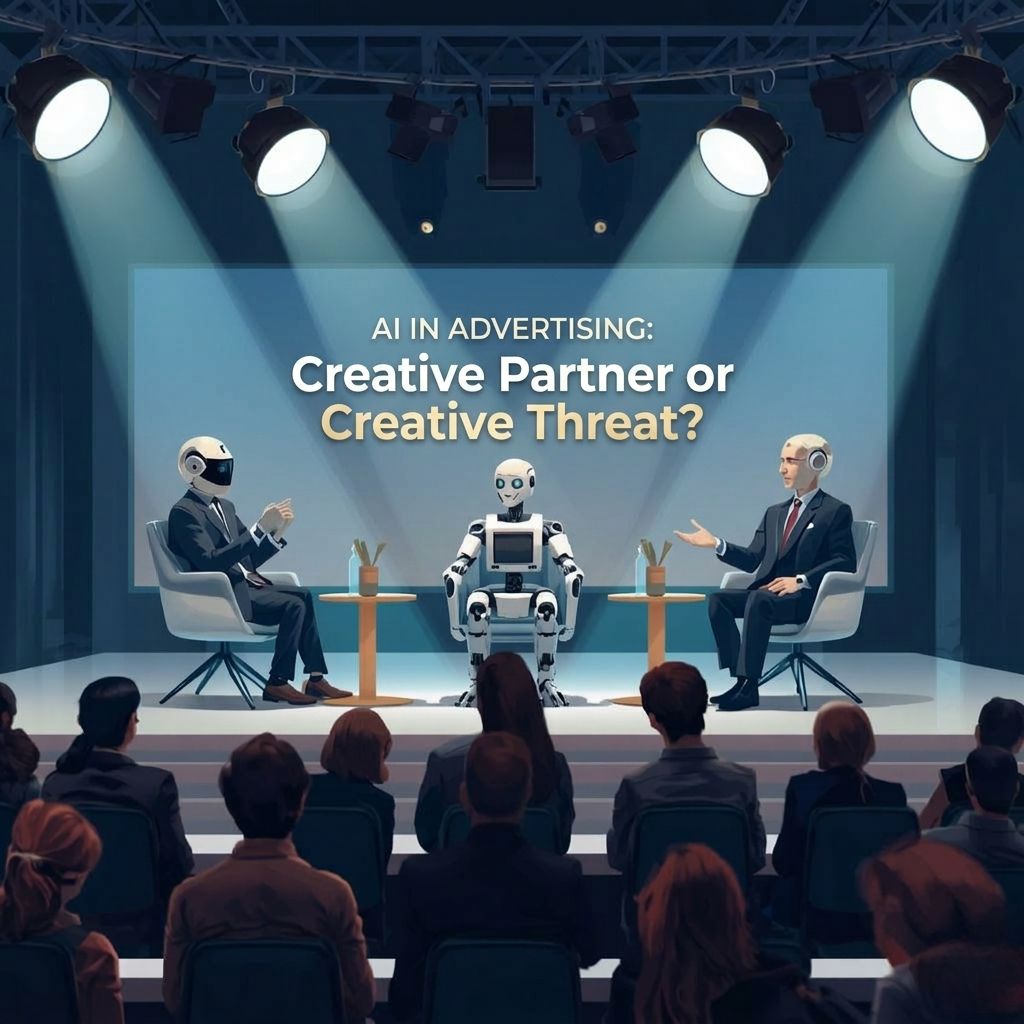
AI is everywhere right now—writing captions, generating copies, even designing visuals in seconds. It’s fast, it’s smart, and honestly… it looks like it’s doing everything. Which is why a lot of people now think—“Content writing? Copywriting? That’s easy now.” But here’s the real talk: it’s not. AI can write, sure. But can it think like you? Can it capture that one exact emotion you’re trying to express? That one line that just clicks? Think about iconic Indian taglines like “Daag Achhe Hain”, “Thanda Matlab Coca-Cola”, “Har Ghar Kuch Kehta Hai.” or “Have a break, Have a Kitkat” These aren’t just lines. They’re cultural moments. They hit home. And that’s something AI still struggles with—depth over data. Because AI doesn’t feel. It predicts. The same goes for design. AI-generated images are cool—super aesthetic, super quick. But when it comes to crafting a campaign-ready creative that aligns perfectly with brand tone, audience mindset, and strategy… it often misses the mark. You might get something “good,” but not something that feels exactly right. And in advertising, almost right doesn’t work. Great creatives come from instinct. From overthinking a headline at 2 AM. From tweaking a layout 10 times because “something feels off.” That human gut feeling? That’s the real creative engine. Let’s be clear—AI is not the villain here. It’s actually a solid creative partner. It helps speed things up, sparks ideas, and reduces effort. But replacing human creativity? That’s a stretch. Because at the end of the day, advertising is not just about content—it’s about connection. And connection isn’t generated. It’s understood. – Adyasha Samal (Social Media Strategist & Content Writer)
Why ‘Relatable Content’ is the New Advertising Currency

Let’s face it—people don’t connect with ads anymore, they connect with moments. And that’s exactly why “relatable content” is ruling the advertising game right now. Gone are the days of overly polished, hard-selling ads. Today’s audience doesn’t want perfection—they want real. They want content that feels like “this is so me” or “this literally happened to me yesterday.” That instant connection? That’s the new currency. Relatable content works because it taps into everyday experiences—office struggles, middle-class realities, friendship dynamics, small daily frustrations. It’s not trying too hard to sell; it’s just understanding the audience. And in a world full of noise, being understood is everything. Think about it—when was the last time you shared an ad? Probably when it made you laugh, nod in agreement, or say “tag that friend!” That’s relatability doing its job. This approach is especially powerful in today’s scroll culture. People don’t have the time (or patience) for long explanations. You have 3 seconds to grab attention—and relatable content does that effortlessly. It feels familiar, and familiarity builds trust. The Goated Fevicol Ad But here’s the catch—being relatable is not the same as being random. A lot of brands jump on trends, create generic “relatable” posts, and hope it works. But without a clear brand voice, it just becomes another forgettable post. Relatable content needs insight. It should align with your audience’s mindset and your brand’s identity. Also, overdoing it can backfire. If every post is trying too hard to be funny or “too real,” it can feel forced. Audiences are smart—they can tell when a brand is genuinely connecting versus just chasing engagement. The real magic lies in balance. Use relatability to start conversations, not replace your message. Blend it with your brand story, your values, and your purpose. Because while relatability grabs attention, meaning is what builds long-term connection. In today’s digital space, where attention is limited and competition is endless, relatable content isn’t just a trend—it’s a necessity. Because people may forget what you sell, but they’ll always remember how your content made them feel. And right now, feeling seen is what matters the most.


